
There’s a phrase we hear constantly in the wedding industry:
“We just want our wedding to feel different.”
Not beautiful. Not emotional. Not meaningful.
Different.
It’s well-intentioned. Couples are tired of the Pinterest wedding machine. They want to reject anything that feels too “done” or derivative. And who can blame them? But here’s the problem: chasing different doesn’t make your wedding timeless—it often makes it forgettable, or worse, outdated.

A History of Trying Too Hard
Let’s take a walk down the wedding trend graveyard.
Remember burlap table runners and mason jar centerpieces? In 2012, they were the pinnacle of rustic-chic rebellion. Then came the all-greenery phase. Then the pampas grass movement. Then the neutral-beige-and-rattan everything era that looked like the inside of a Kinfolk magazine and felt like a Beige Renaissance fair.
Each of these trends started as a way to stand out—and ended up becoming so popular that they drowned in their own ubiquity.
Trying to make your wedding feel “different” usually means reaching for the visual language of right now—the trending tablescape, the viral bouquet shape, the oddly shaped cake pedestal you saw in a fashion bride’s carousel post. And in doing so, you fast-track your wedding into the cultural time capsule you were trying to avoid.
The Irony of “Different”
The irony? By trying so hard to be different, most couples end up making the same choices. The same “unexpected” napkin color. The same asymmetrical aisle. The same disco ball moment.
Weddings have become aesthetic performances. And somewhere along the way, intimacy got replaced by irony.Meaningful rituals were swapped for photo-ops. Emotional weight was edited down into moodboards and custom fonts. And “different” became the fastest way to look like everyone else.
The Solution: Subtlety and Specificity
Instead of asking, “How do we make this different?” ask:
“How do we make this feel like us?”
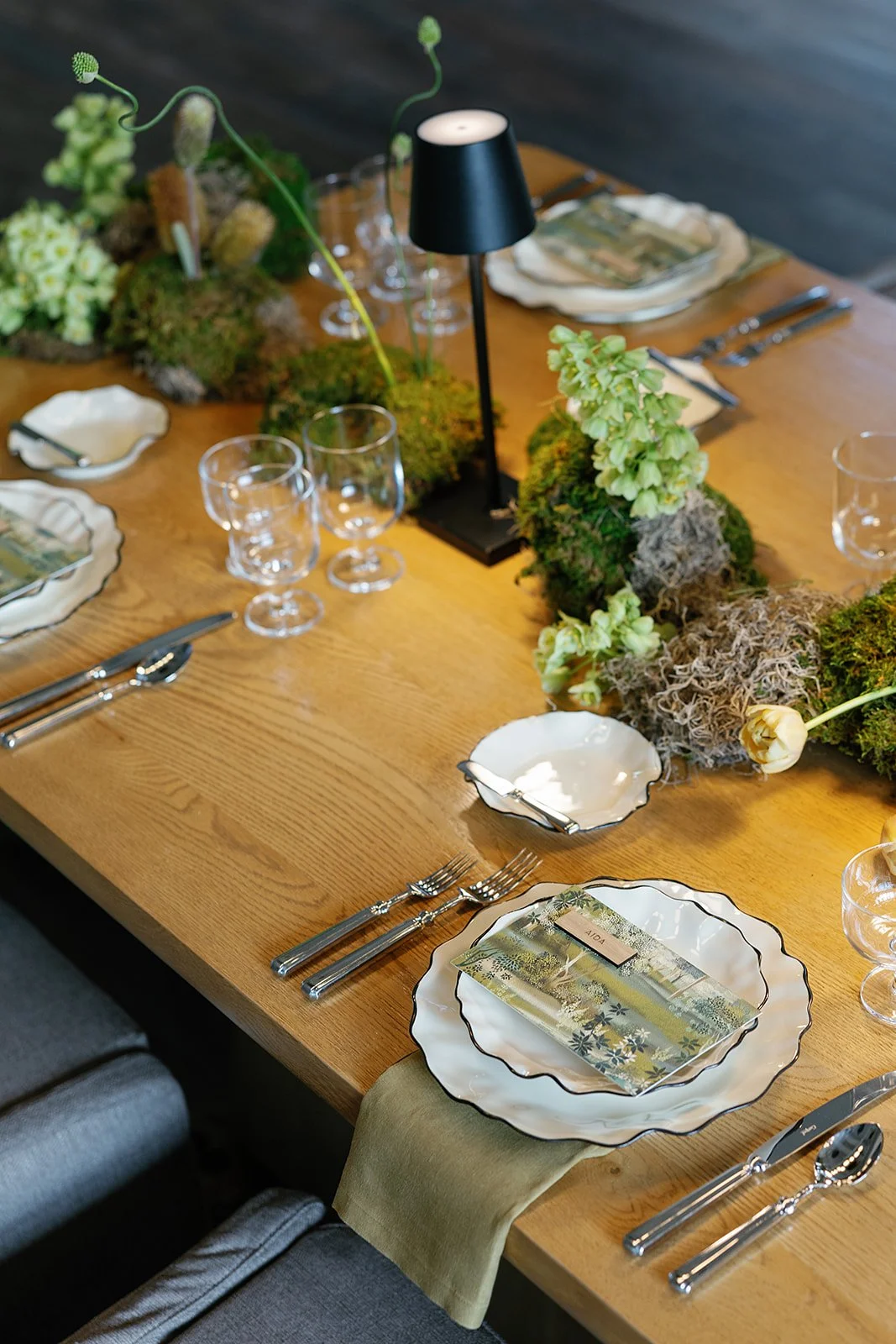
Not us in the “quirky inside joke in our vows” kind of way. But in the shape of the table you choose. The mood of the music. The form of the florals. The detail no one else notices but you.
A wedding that resists trend fatigue doesn’t scream “original”—it feels grounded, considered, emotionally connected. The florals aren’t overstuffed or over-architected—they breathe. The dress doesn’t look like it’s auditioning for Instagram—it moves like you do. It’s less about curating a spectacle, and more about cultivating a feeling.
Timelessness Isn’t Boring
Timeless doesn’t mean traditional.
It means restraint. Elegance. Editing.
You can have a sculptural bouquet, an architectural gown, an avant-garde moment—so long as it belongs in the world you’ve created. And that world doesn’t have to be loud to be memorable.
Because at the end of the day, “different” is a moving target. But personal is permanent.
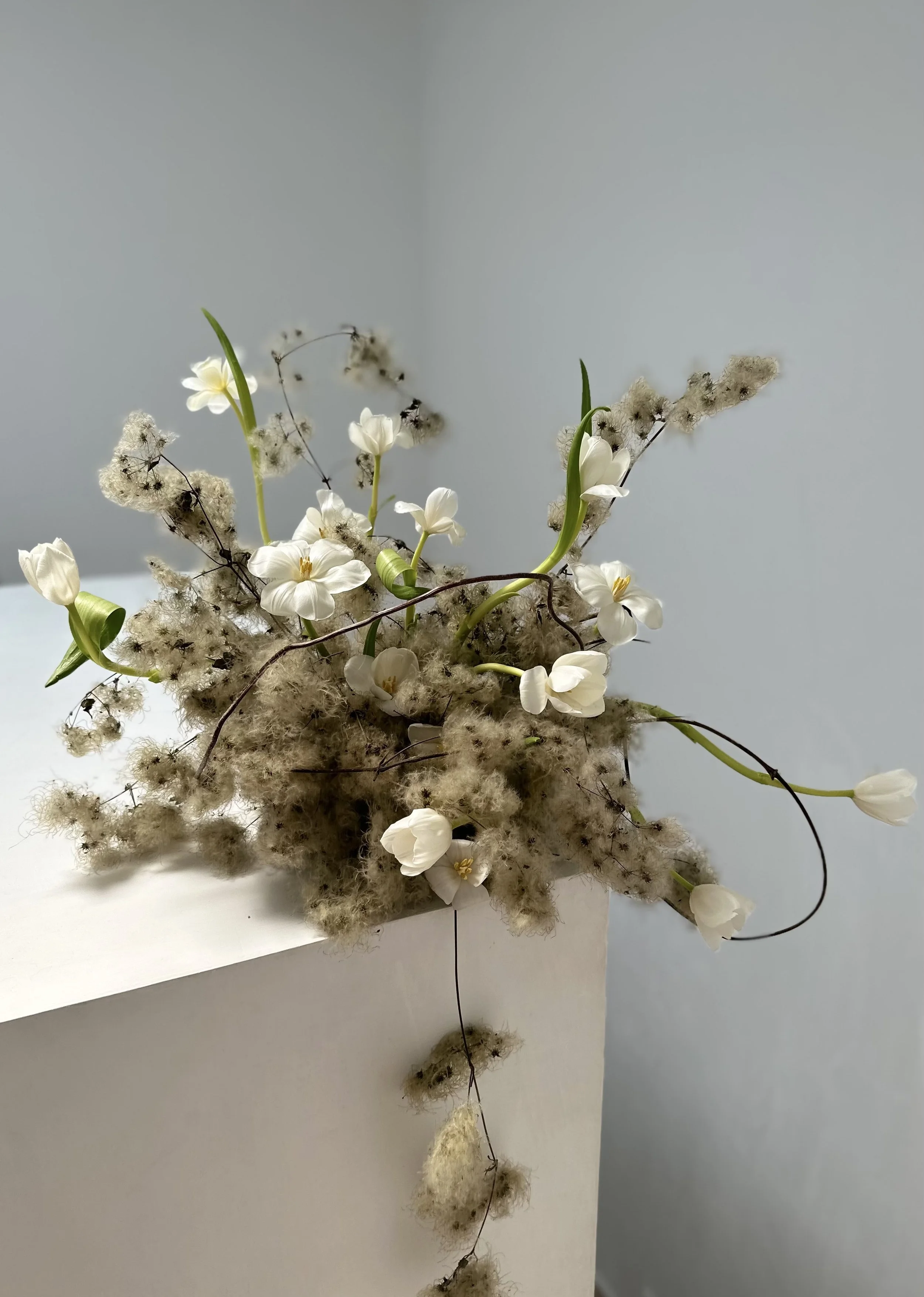
And long after the trend cycle moves on, it’s the deeply personal details that still feel relevant—not because they were ahead of their time, but because they belonged to yours.
If you’re rethinking the “different” wedding trap and want more notes on how to design with intention instead of aesthetic obligation, consider subscribing. We talk about weddings the way fashion people talk about couture—form, feeling, and the art of editing.